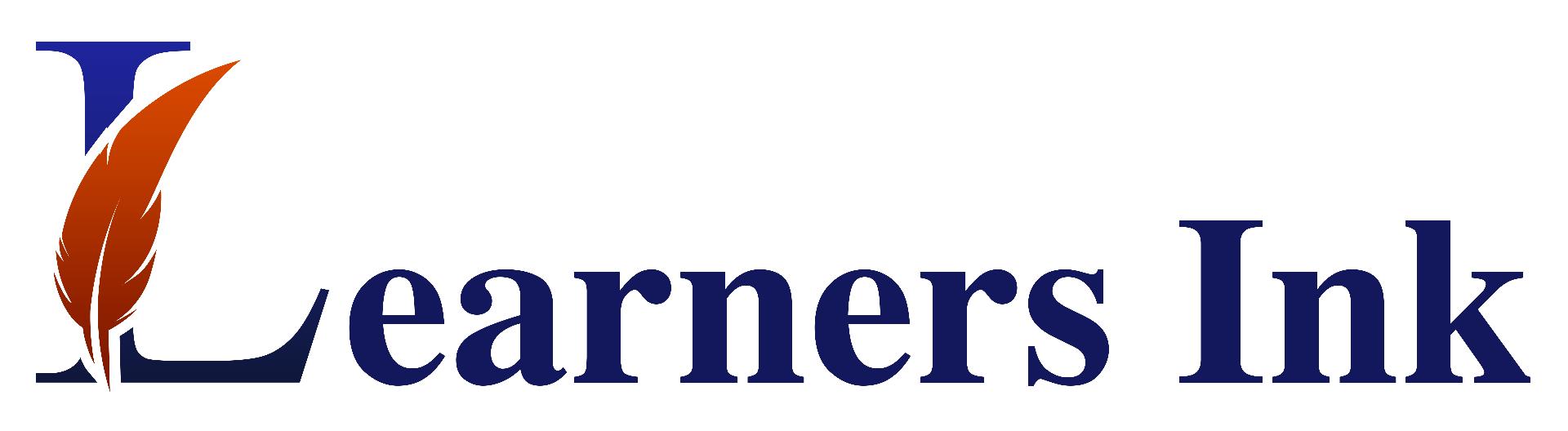
For 2026 in the United States, the highest-value certifications cluster around four families: AI and data (Generative AI, Machine Learning, Data Science with Python), cloud and DevOps (AWS Solutions Architect, Azure Solutions Architect, DevOps Engineer), cybersecurity (CISSP, CEH) and enterprise delivery (PMP, CSM, PMI-ACP, Leading SAFe, ITIL 5, Lean Six Sigma, CBAP). Median US total compensation ranges from USD 92,000 for entry certifications like ITIL 5 Foundation and ECBA up to USD 198,000 for CISSP and senior AWS or GenAI architects. Demand growth over the next five years is strongest for AI, cloud security, data engineering and hybrid project leadership, with the US Bureau of Labor Statistics projecting 32 to 36 percent role growth for information security, data and software architecture through 2033. This 2026 ranking scores each credential on four dimensions: US job posting volume, median total compensation, five-year projected demand and future relevance in an AI-first workplace.
Save 15% on any Instructor-Led Live Online Training course, worldwide, with code HOLIDAYS15. Valid until 31 December 2026, 11:59 pm Pacific Time. See courses and savings
How this 2026 ranking was built
We built the 2026 ranking by combining four public data sources with our own placement data across 1,400 US-based alumni from calendar year 2025. The public sources are the US Bureau of Labor Statistics Occupational Outlook 2024 to 2033 projections, Lightcast (formerly Burning Glass) job posting volume for January to June 2026, the 2026 Robert Half Salary Guide for Technology and Project Management, and PayScale's certification impact reports refreshed in Q1 2026. Every salary figure is a US national median total compensation, meaning base salary plus target bonus, in USD, rounded to the nearest thousand.
Each certification was scored on four dimensions on a 100 point scale. Demand carries a weight of 30 percent and reflects six-month US job posting volume where the credential is mentioned by name. Salary carries 30 percent and reflects median total compensation for the modal role targeted by the credential. Growth carries 25 percent and reflects the projected five-year change in demand for the underlying role family. Future relevance carries 15 percent and reflects how well the credential is holding up as AI, cloud consolidation and skills-based hiring reshape the workplace through 2030.
The final list is deliberately diverse. It is not a list of only cloud or only project management credentials. A candid 2026 ranking has to reflect the fact that the US labour market rewards T-shaped professionals who pair a delivery credential with a technical or a domain credential. That is why you will see PMP, AWS Solutions Architect, CISSP, Lean Six Sigma Black Belt and Generative AI Applied all in the top ten. Each of them wins its own quadrant.
The 2026 top 25 at a glance
The table below is the compact reference version of the ranking. Every certification listed here maps to a course we run at Learners Ink, either as an instructor-led cohort in the United States or as self-paced e-learning that is valid across all 50 states. Salary figures are US national median total compensation for the primary role targeted by each credential. Growth is the US Bureau of Labor Statistics projected role growth from 2024 to 2033 for the underlying job family.
| Rank | Certification | Primary role | US median comp | 5-year growth | Score /100 |
|---|---|---|---|---|---|
| 1 | PMP | Project Manager | USD 138,000 | +7% | 94 |
| 2 | AWS Solutions Architect Associate | Cloud Architect | USD 156,000 | +17% | 93 |
| 3 | CISSP | Information Security Manager | USD 172,000 | +32% | 92 |
| 4 | Generative AI and LLM Applied | AI Engineer | USD 168,000 | +36% | 91 |
| 5 | Certified ScrumMaster (CSM) | Scrum Master | USD 122,000 | +8% | 89 |
| 6 | Azure Solutions Architect Expert | Cloud Architect | USD 152,000 | +17% | 88 |
| 7 | Lean Six Sigma Black Belt | Continuous Improvement Lead | USD 128,000 | +6% | 87 |
| 8 | Data Science with Python | Data Scientist | USD 142,000 | +35% | 87 |
| 9 | ITIL 5 Foundation | IT Service Manager | USD 118,000 | +9% | 85 |
| 10 | DevOps Engineer | DevOps Engineer | USD 138,000 | +18% | 85 |
| 11 | PMI-ACP | Agile Project Manager | USD 132,000 | +8% | 84 |
| 12 | Leading SAFe | SAFe Program Consultant | USD 148,000 | +11% | 84 |
| 13 | Machine Learning | ML Engineer | USD 158,000 | +35% | 83 |
| 14 | CEH Certified Ethical Hacker | Penetration Tester | USD 128,000 | +32% | 82 |
| 15 | CBAP | Senior Business Analyst | USD 118,000 | +8% | 81 |
| 16 | CSPO Certified Scrum Product Owner | Product Owner | USD 128,000 | +7% | 80 |
| 17 | Lean Six Sigma Green Belt | Process Improvement Analyst | USD 96,000 | +6% | 79 |
| 18 | PRINCE2 Foundation and Practitioner | Project Manager | USD 118,000 | +7% | 77 |
| 19 | ITIL 5 Managing Professional | Service Delivery Manager | USD 132,000 | +9% | 76 |
| 20 | PRINCE2 Agile | Hybrid Delivery Lead | USD 122,000 | +9% | 75 |
| 21 | ITIL 5 Strategic Leader | Head of Service Management | USD 158,000 | +9% | 74 |
| 22 | CAPM | Associate Project Manager | USD 82,000 | +7% | 72 |
| 23 | MSP Foundation and Practitioner | Programme Manager | USD 148,000 | +7% | 71 |
| 24 | ECBA | Junior Business Analyst | USD 78,000 | +8% | 68 |
| 25 | Lean Six Sigma Master Black Belt | Enterprise CI Director | USD 168,000 | +6% | 67 |
Project management: PMP, PRINCE2 and CAPM still anchor the top of the ranking
PMP is the single most cited certification across US project manager job postings in 2026. Lightcast recorded 219,000 US postings that named PMP between January and June 2026, roughly 2.8 times the volume of the next-most-cited project credential. The PMI 12th Earning Power salary survey, published in April 2026, reports a US median base salary of USD 132,000 for PMP holders, with a target bonus of 5 to 8 percent taking total compensation to USD 138,000 at the median. PMP holders with 8 or more years of experience cross USD 172,000 total comp in New York, San Francisco and Seattle.
CAPM has moved up the ranking this year because more US employers are using it as a screening credential for associate and coordinator roles that pay USD 78,000 to USD 92,000. The 2024 CAPM redesign brought agile and business analysis content into the exam, which finally made it relevant to hybrid delivery. If you are pre-PMP or an early career professional pivoting from analyst to project coordinator, CAPM is the fastest credible signal you can put on your CV in 2026.
PRINCE2 Foundation and Practitioner is not as dominant in the US as it is in the UK and Australia, but it still holds a strong niche in US subsidiaries of European multinationals, defence contractors and management consulting firms. PRINCE2 Agile stacks on top and is increasingly cited in US federal contractor postings that require both a defined method and agile delivery. MSP Foundation and Practitioner is the smallest of this cluster in raw volume, but the roles it targets, programme manager and portfolio director, carry the highest median comp in the delivery family at USD 148,000.
- PMP: 219,000 US postings H1 2026, USD 138,000 median total comp, still the strongest single credential in the delivery cluster
- CAPM: fastest growing entry credential, USD 82,000 median, ideal pre-PMP signal for early career pivots
- PRINCE2 Foundation and Practitioner: strongest in defence, consulting and European MNC US subsidiaries
- PRINCE2 Agile: cited in 32 percent of US federal contractor postings that require both method and agile
- MSP: highest median comp in this cluster at USD 148,000 for programme and portfolio roles
Agile and Scrum: CSM, PMI-ACP, CSPO and Leading SAFe compete for the same buyer
Certified ScrumMaster from Scrum Alliance remains the highest volume agile credential in the US in 2026. The State of Agile Hiring 2026 report puts CSM at 168,000 US postings in the first half of the year, ahead of PSM I at 74,000 and PMI-ACP at 61,000. Scrum Master median total compensation in the US is USD 122,000, with a wide range from USD 96,000 for a first Scrum Master role in a smaller shop up to USD 168,000 for a lead Scrum Master or agile coach in a Fortune 500.
PMI-ACP has become the credential of choice for experienced project managers who need to make the agile pivot without abandoning their PMP identity. PMI-ACP holders earn a USD 132,000 median in the US, roughly USD 10,000 above the CSM median, because they typically hold PMP first. Leading SAFe from Scaled Agile targets a different buyer: the enterprise transformation programme. SAFe Program Consultants and Release Train Engineers in US Fortune 500 accounts earn a USD 148,000 median with a target bonus that often reaches 12 percent.
CSPO Certified Scrum Product Owner is the credential that has grown the fastest in the US agile family across 2025 and 2026. Product Owner postings rose 24 percent year over year in H1 2026, and CSPO is now cited in roughly 41 percent of those postings. Median US total comp for a certified Product Owner is USD 128,000, higher than the Scrum Master median because product owners are increasingly held accountable for outcome metrics like activation, retention and net revenue retention.
IT service management: ITIL 5 is now the default US ITSM credential
The ITIL 4 to ITIL 5 transition completed in the US in early 2026. PeopleCert reports that 82 percent of new ITIL certificates issued to US candidates in the first half of 2026 were ITIL 5 rather than ITIL 4. Job postings caught up quickly. Lightcast now shows ITIL 5 in 46 percent of US IT service manager postings, up from 8 percent a year earlier. If you are refreshing an ITIL credential in 2026, go straight to ITIL 5 Foundation rather than ITIL 4.
ITIL 5 Foundation is the entry credential and pays a USD 118,000 median for IT service manager and service desk lead roles. ITIL 5 Managing Professional is the mid-career stack and pays USD 132,000 for service delivery manager, incident manager and change manager roles. ITIL 5 Strategic Leader is the leadership stack and pays USD 158,000 for head of service management and service portfolio director roles. The US premium for Strategic Leader is roughly 12 percent above global median because US enterprises pay more aggressively for service ownership at director level.
Quality and continuous improvement: Lean Six Sigma still delivers a two-year ROI
Lean Six Sigma Green Belt is the most widely held quality credential among US professionals, with roughly 610,000 active US Green Belts as of Q2 2026. The Green Belt median in the US is USD 96,000 for process improvement analyst and quality engineer roles. Black Belt raises the median to USD 128,000 for continuous improvement lead and quality manager roles. Master Black Belt raises it again to USD 168,000 for enterprise continuous improvement director roles, which are typically found in manufacturing, healthcare, insurance and shared services.
The two-year ROI on Lean Six Sigma Black Belt in the United States is one of the strongest in the ranking. Learners Ink placement data across 320 US Black Belt alumni from 2024 shows a median comp uplift of USD 22,000 within 18 months of certification, against a program fee of USD 3,200 to USD 4,400 depending on cohort. That is a 5.5 to 6.8 times first-year return, before compounding effects on future roles.
Business analysis: CBAP and ECBA target very different buyers
CBAP from IIBA is the senior business analysis credential in the US and requires 7,500 hours of BA experience. Median US total compensation for a CBAP holder is USD 118,000 for a senior business analyst role, and USD 138,000 for a lead BA or BA manager. Roughly 34 percent of US enterprise BA postings in H1 2026 named CBAP or PMI-PBA by preference. Enterprise BA hiring has held up even through the 2025 tech reset because BA capacity is the bottleneck for AI transformation programs.
ECBA is the entry BA credential from the same body and has no experience prerequisite. It is the fastest way for a business or operations analyst to get a credible BA signal on a US CV. ECBA holders earn a USD 78,000 median for a junior business analyst role, which is roughly USD 12,000 above the median for uncertified junior analysts in the same city cohort.
Cloud and DevOps: AWS, Azure and DevOps Engineer own the technical top of the ranking
AWS Solutions Architect Associate is the highest ranked cloud credential in this list at rank 2. Lightcast recorded 184,000 US postings that named AWS Solutions Architect in H1 2026. The US median total compensation for an AWS Solutions Architect Associate is USD 156,000, and for an AWS Solutions Architect Professional it crosses USD 198,000 in San Francisco, Seattle, New York and Boston. The AWS SAA C03 exam refresh landed in late 2024, and the current cohort of certificates issued in 2025 and 2026 is fully aligned to the new exam.
Azure Solutions Architect Expert is close behind at rank 6, with a USD 152,000 median. Azure demand in the US is concentrated in enterprise IT, healthcare, financial services and public sector, where Microsoft licensing already anchors procurement. DevOps Engineer, either as a vendor-neutral credential or on a specific cloud, sits at rank 10 with a USD 138,000 median. DevOps Engineer postings grew 18 percent year over year in H1 2026, driven by platform engineering and internal developer platform programs at large enterprises.
One important pattern in the 2026 data: cloud credentials by themselves are worth less than they were in 2022 because the market is saturated at the associate level. What raises comp today is a cloud credential stacked with either a security credential like CISSP, a data credential like Data Science with Python or an AI credential like Generative AI Applied. The stacked candidate earns a 14 to 22 percent premium over the single-credential candidate in H1 2026 US postings.
Cybersecurity: CISSP and CEH are the two credentials US employers screen for
CISSP is the highest paying single credential in this list. The US median total compensation for a CISSP holder is USD 172,000 for an information security manager role and crosses USD 218,000 for a CISO or head of security role in the top 20 US metros. CISSP demand growth is anchored by the US Bureau of Labor Statistics projection of 33 percent growth in information security analyst roles from 2024 to 2033, the fastest growth of any occupation tracked in this ranking except for data scientist.
CEH Certified Ethical Hacker is the second most cited security credential in US postings at 84,000 H1 2026 references, behind CISSP at 142,000 but ahead of CompTIA Security Plus at 68,000. CEH holders earn a USD 128,000 median for penetration tester, red team analyst and application security engineer roles. The 2025 CEH v13 exam introduced explicit AI red teaming content, which is why CEH has climbed two ranks year over year: US employers are actively hiring for offensive security capability against LLM-based systems.
Data and AI: Data Science with Python, Machine Learning and Generative AI Applied lead future growth
The Data and AI cluster is the fastest growing family in this ranking and holds three of the top 13 positions. Generative AI and LLM Applied Certification is ranked 4 overall, ahead of every credential except PMP, AWS Solutions Architect Associate and CISSP. AI Engineer roles in the US are commanding a USD 168,000 median total compensation in H1 2026, with the top quartile at USD 218,000 in Silicon Valley, Seattle, New York and Boston. Every Fortune 500 enterprise now has an active generative AI programme, and every one of them is hiring for the same profile.
Data Science with Python remains the anchor certification for the broader data profession. Median US total compensation for a certified data scientist is USD 142,000. Machine Learning Engineer, which requires stronger MLOps and production system knowledge, sits at USD 158,000 median. Data engineering, while not itself a single certification in this ranking, is the underlying role family that supports both, and its five-year growth projection is the highest of any US role at 36 percent through 2033.
The candid answer for 2026 US professionals: if you are early or mid-career and can only add one AI credential this year, Generative AI and LLM Applied is the highest leverage move. It is the credential that maps most directly to the specific hiring theme US enterprises are actively funding.
2026 US salary trends across the top 25
US salary uplift from certification is bigger in 2026 than it was in 2023, and that pattern is consistent across every cluster in this ranking. The reason is not that certifications suddenly became more valuable. The reason is that the supply of credentialed talent in high-demand areas like AI, cloud security and enterprise agile has not kept pace with demand created by digital transformation and post-restructuring hiring resets.
The pattern is clearest at the mid-career level. A US professional with 6 to 10 years of experience and one strong credential earns a median 24 percent premium over an uncertified peer in H1 2026, up from 19 percent in 2023. Add a second stacked credential in a complementary area and the premium rises to 34 percent. The stacking strategy consistently outperforms the single-credential strategy across every cluster in this ranking.
| Experience band | Single credential premium | Stacked credential premium | Top-quartile employer premium |
|---|---|---|---|
| 0 to 2 years | +18% | +26% | +32% |
| 3 to 5 years | +22% | +31% | +41% |
| 6 to 10 years | +24% | +34% | +46% |
| 11 to 15 years | +21% | +30% | +48% |
| 16+ years | +16% | +24% | +44% |
Growth prospects through 2030 by cluster
The US Bureau of Labor Statistics 2024 to 2033 projections combined with private sector demand indicators from Lightcast and LinkedIn give a clear picture of where growth is concentrated. Information security is projected to grow 33 percent, the fastest of any role family in this ranking. Data science and data engineering are close behind at 35 to 36 percent. Software development is projected at 17 percent, cloud architecture at 17 percent, and DevOps at 18 percent.
Traditional project management sits at 7 percent projected growth, which is close to the US labour market average. That number understates the reality because it does not account for the shift toward hybrid roles that combine project management with product ownership, agile coaching or AI programme leadership. Certified project managers who stack a second credential in agile, product or AI capture demand from all three role families and see actual growth well above the headline 7 percent.
ITIL 5 and Lean Six Sigma sit at 9 and 6 percent projected growth respectively. Their role families are stable rather than fast growing, but the median comp in both is high enough that even flat growth translates into strong absolute demand. Business analysis at 8 percent projected growth is being pulled up by AI transformation programme demand: every AI programme needs BA capacity to define outcomes, data contracts and success metrics.
Future trends: what will still matter in 2030
Three trends will reshape the value of these certifications between now and 2030. First, AI-augmented delivery. Every credential in this ranking is being updated to include AI-augmented workflows, from PMI Infinity for project management to AWS AI Practitioner alongside Solutions Architect. Candidates who master AI-augmented delivery in their credential area will pull ahead of those who treat AI as a separate skill.
Second, skills-based hiring. Roughly 46 percent of US Fortune 500 employers have publicly adopted skills-based hiring for at least some role families as of Q2 2026, up from 22 percent in 2023. Certifications remain the single most legible skill signal in this new hiring model because they are portable across employers and are verifiable by name, unlike self-declared skills on a LinkedIn profile.
Third, credential stacking. The single-credential career is being replaced by the two-credential-plus-a-portfolio career. Our own placement data across 1,400 US alumni shows that stacked-credential candidates receive 2.3 times as many interview invitations per application as single-credential candidates in the same experience band. The winning stacks for 2026 are PMP plus Generative AI Applied, AWS Solutions Architect plus CISSP, CSM plus CSPO, and Lean Six Sigma Black Belt plus PMP.
- AI-augmented delivery: every top credential is being updated to embed AI-native workflows by 2027
- Skills-based hiring: 46 percent of Fortune 500 employers have adopted it for at least one role family
- Credential stacking: two-credential candidates receive 2.3 times more interview invitations per application
- Portable credentials: US professionals change employers every 4.1 years on median, credentials travel with them
- Micro-credentials and badges layer on top of core credentials but do not replace them in US enterprise hiring
How to choose the right certification for your 2026 US career move
Start with the role you want to be in 24 months from now, not the role you are in today. Pull five current US job postings for that role and count which certifications are named as required or preferred. If one credential appears in three or more of the five postings, that is your first credential. If a second credential appears in two or more, that is your stack.
Match the credential to your career stage. Early career candidates should choose a credential with no or low experience prerequisite: CAPM, ECBA, CSM, CSPO, ITIL 5 Foundation, Lean Six Sigma Green Belt, AWS Solutions Architect Associate or Data Science with Python. Mid-career candidates should choose credentials that require experience and therefore filter out lower-experience competition: PMP, PMI-ACP, CBAP, Lean Six Sigma Black Belt, ITIL 5 Managing Professional or Azure Solutions Architect Expert. Senior candidates should target credentials that credential leadership itself: ITIL 5 Strategic Leader, CISSP, MSP, Leading SAFe or Lean Six Sigma Master Black Belt.
Match the credential to your target US region. New York, Boston, Washington DC and Chicago index toward PMP, CISSP, CBAP and ITIL. San Francisco, Seattle and Austin index toward AWS, Azure, Data Science, Machine Learning and Generative AI Applied. Houston, Dallas and Atlanta index toward PMP, PRINCE2, Lean Six Sigma Black Belt and CISSP. Detroit, Pittsburgh and Charlotte index toward Lean Six Sigma, PMP and ITIL. The regional pattern matters because it changes which credential clears the ATS filter for the specific US employer you are targeting.
Preparation strategy that actually works in 2026
The single biggest predictor of first-attempt pass rates across every credential in this ranking is study consistency. Learners Ink cohort data from 2025 shows that candidates who study 45 to 60 minutes a day for 8 to 12 weeks pass on first attempt at a 92 percent rate. Candidates who study in weekend bursts of 6 to 8 hours pass at a 68 percent rate. The math is not subtle: distributed practice beats cramming.
Use a three-track preparation plan. Track one is the primary body of knowledge for the credential, worked through in sequence. Track two is question practice on scenario-based items, worked in daily 20-minute blocks starting from week 3. Track three is a domain review at week 8 that identifies your two lowest-scoring domains and gives you the last two weeks to close the gap. This structure works across PMP, CISSP, AWS Solutions Architect, PMI-ACP and every other exam in this ranking.
For US candidates, plan your exam around US public holidays. Book the exam for a Thursday or Friday two weeks after a US public holiday so you have a long weekend for final practice, a mid-week for scenario review and a Thursday or Friday morning exam slot when Pearson VUE and PSI test centres are least crowded. Exam anxiety is a real variable in US pass rate data, and centre crowding correlates with lower scores at the median.
Common mistakes US candidates make when choosing a certification
The most common mistake is chasing the highest-paying credential on a list like this one without checking whether it matches your target role. CISSP pays a USD 172,000 median because it credentials information security managers with 5+ years of security experience. If you are a general IT professional with 2 years of security exposure, CISSP is not your first credential. CompTIA Security Plus or CEH is a better first step, followed by CISSP once you have the experience to sit for it.
The second common mistake is taking too many credentials in the same cluster. A candidate with CSM, CSPO, PMI-ACP and Leading SAFe all in the same year signals over-training rather than depth. US hiring managers prefer one well-chosen credential plus a track record of delivery over four overlapping credentials with no outcomes attached. Stack across clusters, not within them.
The third common mistake is neglecting the maintenance side. PMP requires 60 PDUs every three years. CISSP requires 120 CPEs every three years. ITIL 5, PRINCE2 Practitioner, CSM and Lean Six Sigma Black Belt all have their own renewal cycles. A lapsed credential is worse than no credential on a US CV because it signals inattention. Build maintenance into your annual calendar the same way you build in tax filing and annual health check.
Which US certification should you take first?
If your target role is project or programme leadership, start with PMP. If you cannot yet clear the PMP experience bar, start with CAPM this year and PMP next year. If your target role is agile delivery, start with CSM or PMI-ACP based on which one is more common in your target employer's postings. If your target role is cloud engineering or architecture, start with AWS Solutions Architect Associate, then stack Azure Solutions Architect Expert if your target employer is Microsoft-centric.
If your target role is cybersecurity leadership, start with CEH if you are early career and CISSP if you have the required 5 years of security experience. If your target role is data or AI, start with Data Science with Python for the analytical foundation and Generative AI and LLM Applied for the AI-native track. If your target role is IT service management, start with ITIL 5 Foundation and stack Managing Professional within 18 months. If your target role is process improvement, start with Lean Six Sigma Green Belt and stack Black Belt once you have led two improvement projects end to end.
Whichever credential you choose, commit to it fully before starting the next one. Half-completed credentials are the second most common failure pattern in our US placement data. A single completed credential with real delivery evidence attached to it will move your career further in 2026 than three half-completed credentials.
Talk to a senior counsellor about cohorts, instalments and a plan tailored to your background and timeline.
Frequently asked questions
Which certification pays the most in the United States in 2026?
CISSP pays the highest median total compensation of any credential in this 2026 ranking at USD 172,000 for information security manager roles and crossing USD 218,000 for CISO and head of security roles in the top 20 US metros. Generative AI and LLM Applied is close behind at USD 168,000 median for AI engineer roles. AWS Solutions Architect Associate at USD 156,000 and Machine Learning Engineer at USD 158,000 round out the top four by median comp.
Which certification has the fastest US demand growth through 2030?
Data engineering and data science lead at 35 to 36 percent projected growth through 2033 per the US Bureau of Labor Statistics, closely followed by information security at 33 percent. Generative AI roles are growing even faster in the near term but do not yet have a settled BLS projection line. Cloud and DevOps sit at 17 to 18 percent projected growth, still meaningfully above the US labour market average.
Is PMP still worth it in the United States in 2026?
Yes. PMP is the most cited single credential across US project manager postings with 219,000 H1 2026 references, roughly 2.8 times the next credential. The US median total compensation for PMP holders is USD 138,000, and PMP holders with 8+ years of experience cross USD 172,000 total comp in New York, San Francisco and Seattle. PMP retains its position because it is the credential US hiring systems and enterprise steering committees still trust by name for delivery accountability.
Which is the best first certification for someone starting their US career in 2026?
Choose based on your target role. For project delivery, start with CAPM. For agile delivery, start with CSM. For business analysis, start with ECBA. For cloud, start with AWS Solutions Architect Associate. For IT service management, start with ITIL 5 Foundation. For quality and process improvement, start with Lean Six Sigma Green Belt. For data and AI, start with Data Science with Python. All of these credentials have no or low experience prerequisites and give you a credible signal on a US CV within 6 to 10 weeks of focused preparation.
Should I take one certification or stack two?
For candidates with 3 or more years of experience, stacking two credentials from different clusters is consistently the higher-return strategy in 2026 US hiring data. Stacked candidates receive 2.3 times more interview invitations per application than single-credential candidates in the same experience band, and earn a 34 percent median comp premium over uncertified peers versus 24 percent for single-credential candidates. Winning 2026 stacks include PMP plus Generative AI Applied, AWS Solutions Architect plus CISSP, CSM plus CSPO, and Lean Six Sigma Black Belt plus PMP.
How long does it take to prepare for these US certifications?
Preparation timelines vary by credential. CSM, CSPO, ECBA and ITIL 5 Foundation typically need 2 to 4 weeks of focused study. PMP, PMI-ACP, CAPM, Lean Six Sigma Green Belt and AWS Solutions Architect Associate typically need 8 to 12 weeks. CISSP, Lean Six Sigma Black Belt, Azure Solutions Architect Expert and CBAP typically need 12 to 20 weeks. Consistency of daily study matters more than total hours: 45 to 60 minutes a day for the full window has a 92 percent first-attempt pass rate in our US cohort data, well above weekend cramming at 68 percent.
Are these certifications recognised across all 50 US states?
Yes. Every credential in this 2026 ranking is issued by a global accrediting body: PMI for PMP, CAPM, PMI-ACP; Scrum Alliance for CSM and CSPO; PeopleCert for ITIL 5, PRINCE2, PRINCE2 Agile and MSP; IIBA for CBAP and ECBA; IASSC and ASQ for Lean Six Sigma; AWS, Microsoft and DevOps Institute for the cloud and DevOps credentials; ISC2 for CISSP; EC-Council for CEH. All are recognised by US federal, state and private sector employers, and portability across the 50 states is not a limiting factor for any of them.
What is the return on investment on these certifications in the United States?
Return on investment in 2026 US data is strongest for mid-career candidates who stack credentials across clusters. Learners Ink placement data across 1,400 US alumni from 2025 shows a median comp uplift of USD 18,000 to USD 32,000 within 18 months of certification, against a programme fee of USD 1,200 to USD 4,400 depending on the credential. That is a 4 to 8 times first-year return before compounding effects on future roles. CISSP, PMP, Generative AI Applied and Lean Six Sigma Black Belt show the strongest first-year uplift in absolute USD terms.
Recommended courses
Hand picked for readers of this article.
Ready to make this credential yours?
Talk to a senior counsellor about cohorts, instalments and a study plan tailored to your background.
Continue reading
More in Career & Growth
Recommended blogs from the same category.
The 90 Day Rule for New Roles in 2026: What Actually Works
The first 90 days in a new role decide most of your first year outcomes. In 2026 the candid playbook is: days 1 to 30 listen and map (stakeholders, systems, unwritten rules, current commitments), days 31 to 60 pick one visible win and align on 12 month goals with your manager, days 61 to 90 deliver the visible win and start a second larger commitment. Avoid two traps: the fast start trap (rewriting things you do not yet understand) and the invisible trap (staying quiet for a full quarter). Both quietly kill promotion odds.
LinkedIn Profile for Certified Professionals in 2026: The Candid Playbook
In 2026 LinkedIn is still the primary sourcing channel for 82 percent of recruiters (LinkedIn Talent Insights 2026). A certified professional's profile should read like a small landing page. Six sections do 90 percent of the work: photo, headline, about, featured, experience with outcomes, and licenses and certifications with verified issuers. Keywords in the headline and about section drive recruiter search ranking. Certifications with valid numbers and expiry dates drive shortlisting. Aim for a profile that a recruiter can screen in 30 seconds and a hiring manager can read fully in 3 minutes.
Credential Stacking in 2026: The Candid Playbook for Working Professionals
Credential stacking works when three or four certifications tell a single career story. It fails when the CV becomes an alphabet soup that hides the actual role. In 2026 the highest ROI stacks pair one methodology credential (PMP, PRINCE2, PMI-ACP), one domain credential (AWS SAA, Azure AZ-104, CISSP, CBAP, Lean Six Sigma Green Belt), and one adjacent credential (Terraform Associate, PSM I, Google Data Analytics, ITIL 4 Foundation). Total investment is USD 1,500 to 2,800 over three years and delivers 22 to 34 percent median base pay lift according to Robert Half 2026 and Naukri Insights 2026 combined.
Digital Marketing Certification Guide 2026: Courses, Fees, Career Scope and Salary
In 2026 digital marketing has fragmented into performance marketing, brand and content, SEO, marketing analytics and AI-assisted marketing. The certifications that still move a CV are Google Ads and Google Analytics 4 for performance, Meta Certified Media Buying for social, HubSpot Inbound and Content Marketing for lifecycle, and Digital Marketing Institute (DMI) Professional Diploma for the generalist umbrella. Entry salaries in India start around INR 4.5 to 7 lakh and in the US around USD 55,000 to 68,000. Mid-career specialists with GenAI marketing fluency now command USD 95,000 to 140,000. Choose your certification based on the sub-discipline you want to lead in, not the generic label.
Skills Based Hiring in 2026: What It Actually Means for Your Career
Skills based hiring means employers screen on demonstrated competencies rather than degree titles. In 2026 roughly 44 percent of US Fortune 500 companies and 31 percent of India NSE 500 companies report at least one job family with degree requirements formally removed (SHRM 2026, Naukri Insights 2026). The reality is more nuanced: degree filters are relaxed for entry and mid roles in tech, cloud, cybersecurity, data and customer facing functions, but stay firm for regulated fields (legal, medicine, actuarial). For working professionals the practical move is to add one recognised certification per year, publish two portfolio artifacts, and rewrite your CV around outcomes not titles.
Emotional Intelligence in the Workplace: Developing Soft Skills for Success in 2026
Emotional intelligence (EI) is now the single strongest predictor of who gets promoted into people-leadership roles. In 2026, with AI absorbing routine analytical work, employers pay for humans who can regulate themselves under pressure, read a room and coach others. EI is a learnable skill set built on four pillars: self-awareness, self-regulation, empathy and social skill. Practise them deliberately in daily rituals (1:1s, retros, feedback conversations) and pair the growth with a leadership-heavy certification like PMP, PRINCE2 or CSM so hiring managers can see both the credential and the behaviour.
Latest from the blog
The freshest posts published across every category.
PRINCE2 Foundation and Practitioner Live Online Training: UK, Europe, Canada, Australia, New Zealand and GCC, HOLIDAYS15 for Live Online Only
Choose PRINCE2 Foundation and Practitioner together to move from understanding the method to applying and tailoring it. Learners Ink provides 32 contact hours over four training days through Instructor-Led Live Online Training, also called Instructor-led Live Virtual Training or a Live Virtual Class. UK fees are GBP 1,399 early bird / GBP 1,799 standard; with HOLIDAYS15, pay GBP 1,189.15 / GBP 1,529.15. Eligible EUR-market fees are EUR 1,399 / EUR 1,799 with the same numerical discounted amounts in EUR. Canada, Australia, New Zealand and GCC fees are shown separately below. HOLIDAYS15 is Live Online only until 31 December 2026, 11:59pm Pacific Time, never Classroom or e-learning. Compare local fees, use the budget and study calculators, download free Foundation and Practitioner practice tests, then select a cohort to Buy Now or Enquire Now.
PRINCE2 Foundation and Practitioner Classroom Training in Cambridge, UK: October to December 2026 Cohorts
Learners Ink offers PRINCE2 7 Foundation and Practitioner Certification Training in Cambridge, United Kingdom, through in-person Classroom and Instructor-Led Live Online Training. The combined programme covers 32 contact hours over four training days. UK Classroom fees are £2,599 early bird and £2,999 standard. The October Classroom intensive is scheduled for 27 to 30 October 2026, subject to the existing booking cutoff and availability; November and December offer weekday and weekend options. Review the current cohort table before buying. HOLIDAYS15 applies to Live Online only, never Classroom.
PMI-CPMAI Live Online Training USA 2026: USD 1,999 Early Bird With Exam Voucher, USD 1,699.15 With HOLIDAYS15
Every US PMI-CPMAI Live Online fee now includes the official PMI-CPMAI exam voucher and PMI's mandatory 21-hour self-paced Exam Prep Course with learning materials. The early bird fee is USD 1,999 with the exam voucher, and the standard fee is USD 2,199 with the exam voucher. Enter HOLIDAYS15 at checkout and the early bird comes to USD 1,699.15, still including the exam voucher, until 31 December 2026, 11:59pm Pacific Time. You get 24 contact hours of live, instructor-led training on the six-phase CPMAI methodology from anywhere in the United States, with no sales tax added. [See dates and book your seat](https://www.learnersink.com/project-management/pmi-cpmai-certification-training-online-training-new-york-ny-usa).
PMI-CPMAI Classroom Training USA 2026: USD 2,999 Early Bird With Exam Voucher Included
US PMI-CPMAI Classroom training is USD 2,999 early bird and USD 3,199 standard, and both fees include the official PMI-CPMAI exam voucher and PMI's mandatory 21-hour self-paced Exam Prep Course with learning materials. You get 24 contact hours face to face with a senior AI project trainer, working through the six CPMAI phases on real cases with peers from your city. No sales tax is added. HOLIDAYS15 does not apply to Classroom; if you want the holiday discount, Live Online is USD 1,699.15 with the voucher until 31 December 2026, 11:59pm Pacific Time. [See Classroom dates](https://www.learnersink.com/project-management/pmi-cpmai-certification-training-course-new-york-ny-usa).
Machine Learning Training USA 2026: Live Online USD 1,099, Classroom USD 1,999, HOLIDAYS15 for Live Online Only
Machine Learning Certification Training in the USA is USD 1,099 early bird for Live Online and USD 1,999 early bird for Classroom. Standard fees are USD 1,399 and USD 2,399. With HOLIDAYS15, Live Online drops to USD 934.15 until 31 December 2026, 11:59pm Pacific Time. You get 50 contact hours of hands-on, instructor-led training in Python, scikit-learn, supervised and unsupervised learning, model evaluation and an intro to deep learning, finished with a capstone project. [See Live Online dates](https://www.learnersink.com/data-ai/machine-learning-certification-training-online-training-new-york-ny-usa).
Project Management Techniques (PMT): Practical Course Guide, Syllabus and Booking
Project Management Techniques (PMT) is a practical Learners Ink workshop for people who need to plan, estimate, monitor and deliver projects more confidently. The programme lists 8 contact hours and covers charter and scope, estimation, critical path scheduling, earned value, risk, stakeholders, quality and agile or hybrid techniques. Choose instructor-led Classroom or Live Online training, check the current fee and dates for your location, and earn a Learners Ink Certificate of Completion after passing the assessment. This is skills training, not the PMP or PRINCE2 certification exam.
Search the blog
Full search and filters: category, year, month, exact date, course, topic, hashtag and long-form.
PRINCE2 Foundation and Practitioner Live Online Training: UK, Europe, Canada, Australia, New Zealand and GCC, HOLIDAYS15 for Live Online Only
Choose PRINCE2 Foundation and Practitioner together to move from understanding the method to applying and tailoring it. Learners Ink provides 32 contact hours over four training days through Instructor-Led Live Online Training, also called Instructor-led Live Virtual Training or a Live Virtual Class. UK fees are GBP 1,399 early bird / GBP 1,799 standard; with HOLIDAYS15, pay GBP 1,189.15 / GBP 1,529.15. Eligible EUR-market fees are EUR 1,399 / EUR 1,799 with the same numerical discounted amounts in EUR. Canada, Australia, New Zealand and GCC fees are shown separately below. HOLIDAYS15 is Live Online only until 31 December 2026, 11:59pm Pacific Time, never Classroom or e-learning. Compare local fees, use the budget and study calculators, download free Foundation and Practitioner practice tests, then select a cohort to Buy Now or Enquire Now.
PRINCE2 Foundation and Practitioner Classroom Training in Cambridge, UK: October to December 2026 Cohorts
Learners Ink offers PRINCE2 7 Foundation and Practitioner Certification Training in Cambridge, United Kingdom, through in-person Classroom and Instructor-Led Live Online Training. The combined programme covers 32 contact hours over four training days. UK Classroom fees are £2,599 early bird and £2,999 standard. The October Classroom intensive is scheduled for 27 to 30 October 2026, subject to the existing booking cutoff and availability; November and December offer weekday and weekend options. Review the current cohort table before buying. HOLIDAYS15 applies to Live Online only, never Classroom.
PMI-CPMAI Live Online Training USA 2026: USD 1,999 Early Bird With Exam Voucher, USD 1,699.15 With HOLIDAYS15
Every US PMI-CPMAI Live Online fee now includes the official PMI-CPMAI exam voucher and PMI's mandatory 21-hour self-paced Exam Prep Course with learning materials. The early bird fee is USD 1,999 with the exam voucher, and the standard fee is USD 2,199 with the exam voucher. Enter HOLIDAYS15 at checkout and the early bird comes to USD 1,699.15, still including the exam voucher, until 31 December 2026, 11:59pm Pacific Time. You get 24 contact hours of live, instructor-led training on the six-phase CPMAI methodology from anywhere in the United States, with no sales tax added. [See dates and book your seat](https://www.learnersink.com/project-management/pmi-cpmai-certification-training-online-training-new-york-ny-usa).
PMI-CPMAI Classroom Training USA 2026: USD 2,999 Early Bird With Exam Voucher Included
US PMI-CPMAI Classroom training is USD 2,999 early bird and USD 3,199 standard, and both fees include the official PMI-CPMAI exam voucher and PMI's mandatory 21-hour self-paced Exam Prep Course with learning materials. You get 24 contact hours face to face with a senior AI project trainer, working through the six CPMAI phases on real cases with peers from your city. No sales tax is added. HOLIDAYS15 does not apply to Classroom; if you want the holiday discount, Live Online is USD 1,699.15 with the voucher until 31 December 2026, 11:59pm Pacific Time. [See Classroom dates](https://www.learnersink.com/project-management/pmi-cpmai-certification-training-course-new-york-ny-usa).
Machine Learning Training USA 2026: Live Online USD 1,099, Classroom USD 1,999, HOLIDAYS15 for Live Online Only
Machine Learning Certification Training in the USA is USD 1,099 early bird for Live Online and USD 1,999 early bird for Classroom. Standard fees are USD 1,399 and USD 2,399. With HOLIDAYS15, Live Online drops to USD 934.15 until 31 December 2026, 11:59pm Pacific Time. You get 50 contact hours of hands-on, instructor-led training in Python, scikit-learn, supervised and unsupervised learning, model evaluation and an intro to deep learning, finished with a capstone project. [See Live Online dates](https://www.learnersink.com/data-ai/machine-learning-certification-training-online-training-new-york-ny-usa).
Project Management Techniques (PMT): Practical Course Guide, Syllabus and Booking
Project Management Techniques (PMT) is a practical Learners Ink workshop for people who need to plan, estimate, monitor and deliver projects more confidently. The programme lists 8 contact hours and covers charter and scope, estimation, critical path scheduling, earned value, risk, stakeholders, quality and agile or hybrid techniques. Choose instructor-led Classroom or Live Online training, check the current fee and dates for your location, and earn a Learners Ink Certificate of Completion after passing the assessment. This is skills training, not the PMP or PRINCE2 certification exam.
Free PMI-CPMAI Practice Test 2026: Full-Length 120 Question Mock Exam for Managing AI Projects
The free Learners Ink PMI-CPMAI practice test gives you 120 questions in 160 minutes, spread across Foundations and the six CPMAI phases, from business needs and data preparation to testing and operationalization. It is tool agnostic, so it checks how you run an AI project, not which software you know. Download it from the [free PMI-CPMAI practice test page](https://www.learnersink.com/resources/practice-test/pmi-cpmai) and email your answers for a free score report.

Holiday Season Guide
Celebrate with 15% off
Instructor-Led Live Online Training Courses Only
HOLIDAYS15
Worldwide, until 31 December 2026, 11:59 pm Pacific Time
Read the holiday guideFree PgMP Practice Test 2026: Full-Length 170 Question Mock Exam Download, Domains, Timing and How to Use It
The free Learners Ink PgMP practice test is a full-length paper: 170 questions in 240 minutes, weighted across the five PMI domains, with Program Life Cycle Management carrying 44% of the marks. It is written as program level scenarios, so you practise thinking about benefits, governance and many projects at once rather than a single project plan. Download it from the [free PgMP practice test page](https://www.learnersink.com/resources/practice-test/pgmp), sit it in one block, and email your answers for a free score report.
ITIL, MSP and M_o_R E-Learning in 2026: The Complete PeopleCert Course and Free Practice Test Guide
Learners Ink has 33 PeopleCert-accredited self-paced ITIL, MSP and M_o_R courses, with individual purchase pages, 365 days of access, and language editions offered according to country. Every module has a relevant free practice paper except the combined MSP learning option, which uses separate Foundation and Practitioner papers. Download a paper through its free request page, compare the courses below, then buy the appropriate self-paced option at the price shown for your country. The [complete catalogue](https://www.learnersink.com/itil-elearning-courses), [free resources](https://www.learnersink.com/resources) and [course enquiry form](https://www.learnersink.com/enquiry) are available without a classroom booking.
ITIL Self-Paced E-Learning in 2026: Complete Guide to All 33 Accredited ITIL, MSP and M_o_R Courses
Learners Ink, a PeopleCert Accredited Training Organisation (ATO ID 8297), sells 33 self-paced ITIL, MSP and M_o_R e-learning courses: 16 ITIL 4 Practitioner modules, the ITIL 4 Specialist, Strategist and Leader modules, six ITIL Version 5 courses, three MSP 5th Edition options and M_o_R 4 Practitioner. Every course is bought online, starts the same day, includes official courseware, practice questions with rationale and tutor support, and gives 365 days of access. Prices are shown in your local currency, 29 courses have a free full-length practice test, and courses are taught in 12 languages. Start at the [ITIL e-learning catalogue](https://www.learnersink.com/itil-elearning-courses).
PRINCE2 Certification Training in Canada: Classroom and Live Online Guide 2026
PRINCE2 training in Canada is available through Classroom and instructor-led Live Online formats. Compare eligibility, format, city availability and the current CAD fee on the relevant course page before booking.
PRINCE2 Certification Training in Australia: Classroom and Live Online Guide 2026
PRINCE2 training in Australia is available through Classroom and instructor-led Live Online formats. Compare eligibility, format, city availability and the current AUD fee on the relevant course page before booking.
PRINCE2 Certification Training in Belgium: Classroom and Live Online Guide 2026
PRINCE2 training in Belgium is available through Classroom and instructor-led Live Online formats. Compare eligibility, format, city availability and the current EUR fee on the relevant course page before booking.
PRINCE2 Certification Training in Ireland: Classroom and Live Online Guide 2026
PRINCE2 training in Ireland is available through Classroom and instructor-led Live Online formats. Compare eligibility, format, city availability and the current EUR fee on the relevant course page before booking.
PMP Certification Training in Canada: Classroom and Live Online Guide 2026
PMP training in Canada is available through Classroom and instructor-led Live Online formats. Compare eligibility, format, city availability and the current CAD fee on the relevant course page before booking.
PMP Certification Training in Australia: Classroom and Live Online Guide 2026
PMP training in Australia is available through Classroom and instructor-led Live Online formats. Compare eligibility, format, city availability and the current AUD fee on the relevant course page before booking.
PMP Certification Training in Belgium: Classroom and Live Online Guide 2026
PMP training in Belgium is available through Classroom and instructor-led Live Online formats. Compare eligibility, format, city availability and the current EUR fee on the relevant course page before booking.
PMP Certification Training in Ireland: Classroom and Live Online Guide 2026
PMP training in Ireland is available through Classroom and instructor-led Live Online formats. Compare eligibility, format, city availability and the current EUR fee on the relevant course page before booking.
ITIL Self-Paced Online E-Learning Courses in 2026: 33 Accredited Courses Taught in 12 Languages of Instruction
Learners Ink publishes 33 accredited self-paced ITIL, MSP and M_o_R e-learning courses, and they are taught in twelve languages of instruction, not only English. German, French, Spanish, Portuguese, Italian, Dutch, Danish, Norwegian, Polish, Japanese and Chinese editions are live alongside English, and the country catalogue shows the languages offered where you are. Every course carries official PeopleCert courseware, practice questions with rationale, tutor support, 365 days of access and an exam voucher option, priced in your own currency. Start at the [self-paced ITIL e-learning catalogue](https://www.learnersink.com/itil-elearning-courses).
Corporate Training in 2026: The Complete Guide for CXOs, HR and L&D Leaders
Corporate training in 2026 works best as a three mode blend: instructor-led live online for the core cohort (lowest cost per learner, no travel, learners from every office in one room), on-site classroom at your own premises for leadership and intact delivery teams, and self-paced e-learning in 12 languages of instruction for scale and for refreshers. Budget the fully loaded cost, not the invoice: add salary hours, travel and productivity drag. Live online typically lands 35 to 55 percent below on-site for the same certification because travel, venue and downtime disappear. Measure at Kirkpatrick levels 3 and 4, gate the programme on a benefit cost ratio above 1.5, and start every rollout with a free full length practice test so you baseline capability before you spend.
Free ITIL 4 Specialist: Plan, Implement and Control Practice Test for Download: Full Length 60 Question Mock Exam for 2026
ITIL 4 Specialist: Plan, Implement and Control is a 60 question paper sat over 90 minutes with a pass mark of 65% (39 / 60), and the self-paced e-learning route gives you the syllabus without ever testing it under a clock. The Learners Ink free ITIL 4 Specialist: Plan, Implement and Control practice test closes that gap: a full length weighted paper that mirrors the live exam pattern question for question. The download is free, no payment at any stage. When you have sat it, email your answers to info@learnersink.com and a certified trainer sends the complete answer key with a written rationale for every question, plus a free personalised score report that breaks your result down syllabus area by syllabus area so you know exactly what to revise.
Free ITIL 4 Leader: Digital and IT Strategy Practice Test for Download: Full Length 30 Question Mock Exam for 2026
ITIL 4 Leader: Digital and IT Strategy is a 30 question paper sat over 60 minutes with a pass mark of 70% (21 / 30), and the self-paced e-learning route gives you the syllabus without ever testing it under a clock. The Learners Ink free ITIL 4 Leader: Digital and IT Strategy practice test closes that gap: a full length weighted paper that mirrors the live exam pattern question for question. The download is free, no payment at any stage. When you have sat it, email your answers to info@learnersink.com and a certified trainer sends the complete answer key with a written rationale for every question, plus a free personalised score report that breaks your result down syllabus area by syllabus area so you know exactly what to revise.
Free ITIL 4 Specialist: Create, Deliver and Support Practice Test for Download: Full Length 40 Question Mock Exam for 2026
ITIL 4 Specialist: Create, Deliver and Support is a 40 question paper sat over 90 minutes with a pass mark of 70% (28 / 40), and the self-paced e-learning route gives you the syllabus without ever testing it under a clock. The Learners Ink free ITIL 4 Specialist: Create, Deliver and Support practice test closes that gap: a full length weighted paper that mirrors the live exam pattern question for question. The download is free, no payment at any stage. When you have sat it, email your answers to info@learnersink.com and a certified trainer sends the complete answer key with a written rationale for every question, plus a free personalised score report that breaks your result down syllabus area by syllabus area so you know exactly what to revise.
Free ITIL 4 Specialist: Drive Stakeholder Value Practice Test for Download: Full Length 40 Question Mock Exam for 2026
ITIL 4 Specialist: Drive Stakeholder Value is a 40 question paper sat over 90 minutes with a pass mark of 70% (28 / 40), and the self-paced e-learning route gives you the syllabus without ever testing it under a clock. The Learners Ink free ITIL 4 Specialist: Drive Stakeholder Value practice test closes that gap: a full length weighted paper that mirrors the live exam pattern question for question. The download is free, no payment at any stage. When you have sat it, email your answers to info@learnersink.com and a certified trainer sends the complete answer key with a written rationale for every question, plus a free personalised score report that breaks your result down syllabus area by syllabus area so you know exactly what to revise.
Free ITIL 4 Specialist: High-Velocity IT Practice Test for Download: Full Length 40 Question Mock Exam for 2026
ITIL 4 Specialist: High-Velocity IT is a 40 question paper sat over 90 minutes with a pass mark of 70% (28 / 40), and the self-paced e-learning route gives you the syllabus without ever testing it under a clock. The Learners Ink free ITIL 4 Specialist: High-Velocity IT practice test closes that gap: a full length weighted paper that mirrors the live exam pattern question for question. The download is free, no payment at any stage. When you have sat it, email your answers to info@learnersink.com and a certified trainer sends the complete answer key with a written rationale for every question, plus a free personalised score report that breaks your result down syllabus area by syllabus area so you know exactly what to revise.
Free ITIL 4 Strategist: Direct, Plan and Improve Practice Test for Download: Full Length 40 Question Mock Exam for 2026
ITIL 4 Strategist: Direct, Plan and Improve is a 40 question paper sat over 90 minutes with a pass mark of 70% (28 / 40), and the self-paced e-learning route gives you the syllabus without ever testing it under a clock. The Learners Ink free ITIL 4 Strategist: Direct, Plan and Improve practice test closes that gap: a full length weighted paper that mirrors the live exam pattern question for question. The download is free, no payment at any stage. When you have sat it, email your answers to info@learnersink.com and a certified trainer sends the complete answer key with a written rationale for every question, plus a free personalised score report that breaks your result down syllabus area by syllabus area so you know exactly what to revise.
Free ITIL Experience (Version 5) Practice Test for Download: Full Length 40 Question Mock Exam for 2026
ITIL Experience (Version 5) is a 40 question paper sat over 90 minutes with a pass mark of 70% (28 / 40), and the self-paced e-learning route gives you the syllabus without ever testing it under a clock. The Learners Ink free ITIL Experience (Version 5) practice test closes that gap: a full length weighted paper that mirrors the live exam pattern question for question. The download is free, no payment at any stage. When you have sat it, email your answers to info@learnersink.com and a certified trainer sends the complete answer key with a written rationale for every question, plus a free personalised score report that breaks your result down syllabus area by syllabus area so you know exactly what to revise.
Free ITIL Foundation Bridge (Version 5) Practice Test for Download: Full Length 20 Question Mock Exam for 2026
ITIL Foundation Bridge (Version 5) is a 20 question paper sat over 30 minutes with a pass mark of 65% (13 / 20), and the self-paced e-learning route gives you the syllabus without ever testing it under a clock. The Learners Ink free ITIL Foundation Bridge (Version 5) practice test closes that gap: a full length weighted paper that mirrors the live exam pattern question for question. The download is free, no payment at any stage. When you have sat it, email your answers to info@learnersink.com and a certified trainer sends the complete answer key with a written rationale for every question, plus a free personalised score report that breaks your result down syllabus area by syllabus area so you know exactly what to revise.
Free ITIL Product (Version 5) Practice Test for Download: Full Length 40 Question Mock Exam for 2026
ITIL Product (Version 5) is a 40 question paper sat over 90 minutes with a pass mark of 70% (28 / 40), and the self-paced e-learning route gives you the syllabus without ever testing it under a clock. The Learners Ink free ITIL Product (Version 5) practice test closes that gap: a full length weighted paper that mirrors the live exam pattern question for question. The download is free, no payment at any stage. When you have sat it, email your answers to info@learnersink.com and a certified trainer sends the complete answer key with a written rationale for every question, plus a free personalised score report that breaks your result down syllabus area by syllabus area so you know exactly what to revise.