How to Start a Career in Data Analytics in 2026: Skills, Tools and Certifications
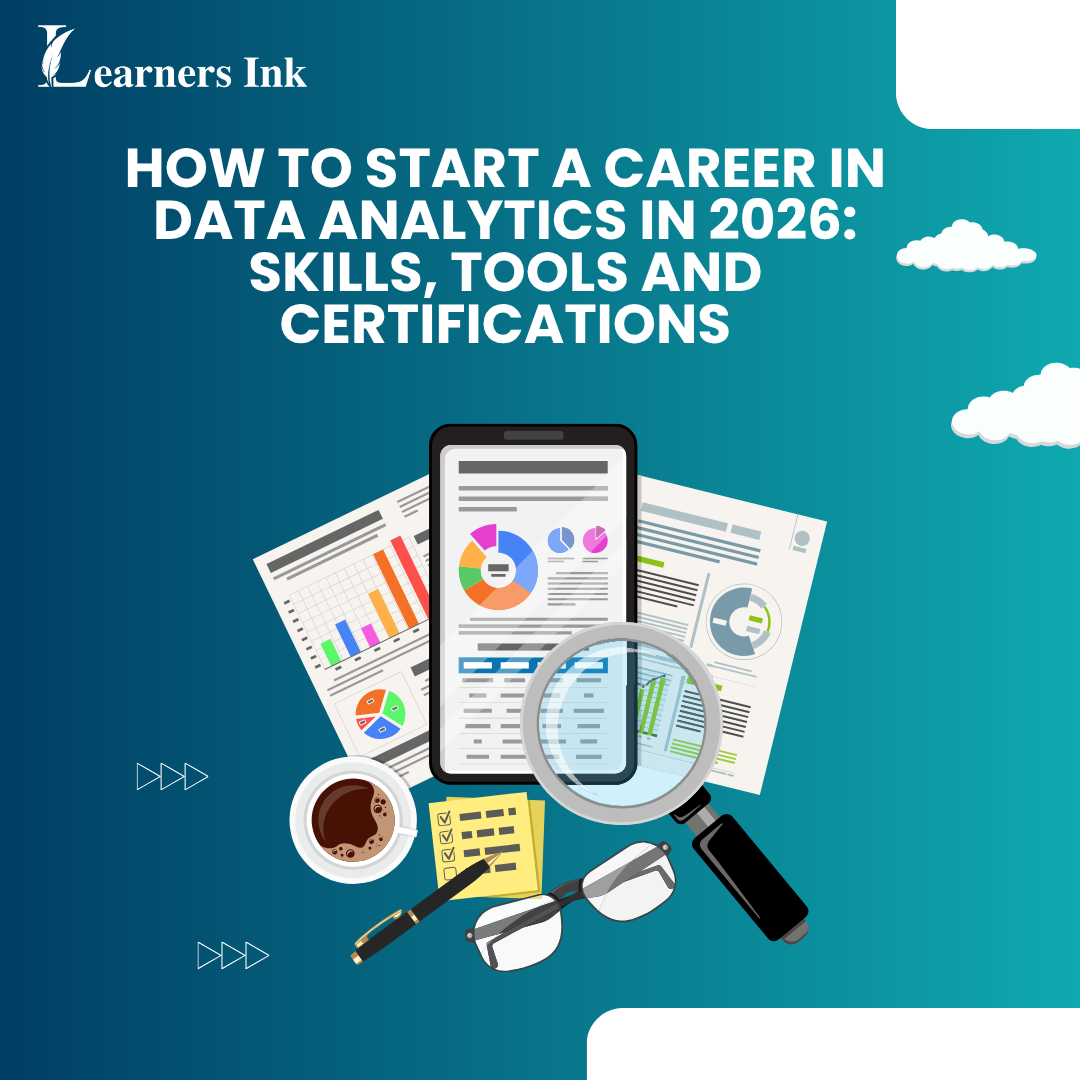
How to Start a Career in Data Analytics in 2026: Skills, Tools and Certifications
Complete Data Analytics Career Guide for Beginners
Introduction
Data is at the heart of modern business decision-making, and organizations across industries are increasingly relying on data analysts to extract insights and drive strategy. As a result, data analytics has emerged as one of the most in-demand and high-growth career paths globally.
Whether you come from a technical or non-technical background, starting a career in data analytics is achievable with the right skills, tools, and structured learning approach. This guide will help you understand everything you need to know to become a successful data analyst in 2026.
What is Data Analytics?
Data analytics involves collecting, processing, and analyzing data to uncover patterns, trends, and actionable insights.
Types of Data Analytics:
- Descriptive Analytics → What happened
- Diagnostic Analytics → Why it happened
- Predictive Analytics → What will happen
- Prescriptive Analytics → What should be done
Why Choose a Career in Data Analytics?
- High demand across industries
- Attractive salary packages
- Opportunities in global markets
- Data-driven decision-making roles
Skills Required for Data Analytics
Technical Skills
- SQL (Structured Query Language)
- Microsoft Excel
- Python or R
- Data Visualization tools (Tableau, Power BI)
- Statistics and probability
Soft Skills
- Analytical thinking
- Problem-solving
- Communication skills
- Attention to detail
Top Tools for Data Analysts
1. Microsoft Excel
Used for data cleaning, analysis, and reporting
2. SQL
Essential for querying databases
3. Python
Popular for data analysis and automation
4. Tableau
Data visualization and dashboards
5. Power BI
Business intelligence and reporting tool
Step-by-Step Data Analytics Roadmap
Step 1: Learn Basics
Start with Excel and data fundamentals
Step 2: Learn SQL
Understand database querying
Step 3: Learn Visualization Tools
Tableau or Power BI
Step 4: Learn Programming
Python for data analysis
Step 5: Work on Projects
Build portfolio with real-world datasets
Step 6: Get Certified
Complete a professional certification
Top Certifications for Data Analytics
- Google Data Analytics Certification
- Microsoft Power BI Certification
- IBM Data Analyst Certification
- Tableau Certification
Career Opportunities
After learning data analytics, you can explore roles such as:
- Data Analyst
- Business Analyst
- Data Scientist (advanced path)
- BI Analyst
Salary Insights
- Entry Level → Competitive starting salary
- Mid-Level → Significant growth
- Experienced → High earning potential globally
Salaries vary by country but are consistently strong across the US, Canada, and India.
Benefits of a Data Analytics Career
Top 7 Benefits
- High demand across industries
- Strong salary growth
- Career flexibility
- Global opportunities
- Continuous learning
- Impactful decision-making roles
- Transition opportunities to AI/ML
Common Challenges
- Learning multiple tools
- Understanding statistics
- Building real-world experience
Solution: Practice + projects + structured training
How to Build a Strong Portfolio
- Work on real datasets
- Create dashboards
- Publish projects on GitHub
- Showcase case studies
Data analytics is one of the most promising career paths in 2026. With the right combination of technical skills, practical experience, and certifications, you can successfully transition into this high-demand field.
Start small, stay consistent, and focus on building real-world skills to stand out in the job market.
FAQs
Is data analytics a good career in 2026?
Yes, it is one of the most in-demand and high-paying career options globally.
Do I need coding for data analytics?
Basic coding in Python or R is helpful but not mandatory for beginners.
How long does it take to become a data analyst?
Typically 3–6 months with consistent learning and practice.
Which tool is best for beginners?
Excel and Power BI are great starting points.
Latest posts





Learners Ink 2019 - | All Rights Reserved